Pancreatic Cancer
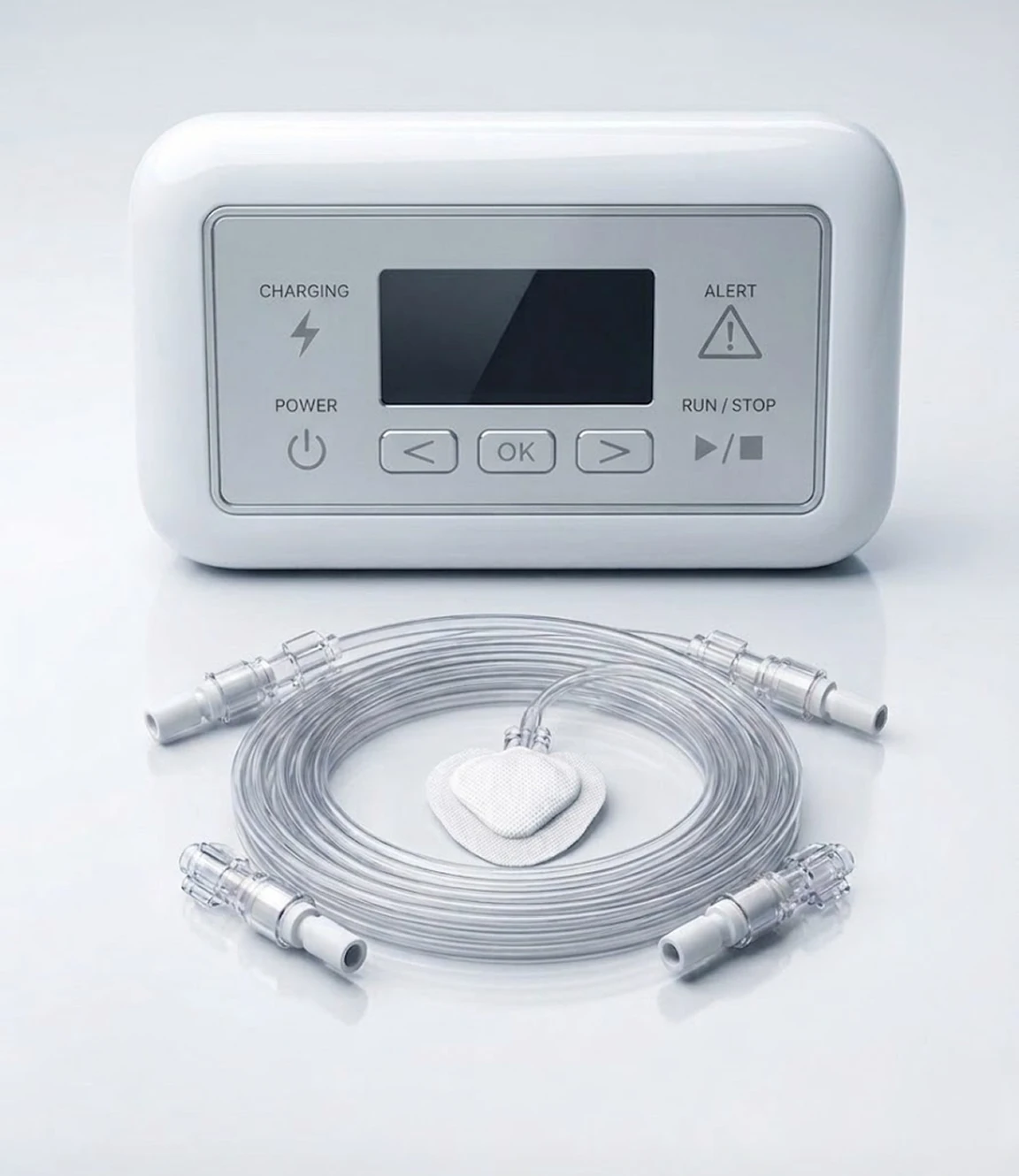
Our iontophoretic delivery system is designed to drive chemotherapy directly into pancreatic tumors
Engineered for active intratumoral delivery
Our implantable iontophoresis drug delivery system is designed to overcome the barriers that limit conventional chemotherapy in pancreatic cancer. Unlike systemic chemotherapy, which relies on passive diffusion, iontophoretic delivery uses a mild, controlled electrical current to actively drive drug molecules into pancreatic tumor tissue.
This approach is designed to:
Preclinical evidence of enhanced drug delivery
Preclinical studies demonstrate that iontophoretic delivery can increase drug exposure within pancreatic tissue and reduce systemic exposure compared with systemic administration. Increased local drug exposure was associated with improved tumor response.1

7x
higher gemcitabine concentrations in pancreatic tissue compared with systemic delivery

~98%
lower systemic exposure with IOP delivery compared with IV chemotherapy

~140%
increase in tumor growth in the systemic gemcitabine control group in patient-derived xenograft models

~40%
tumor volume reduction with iontophoretic delivery in the same models

Together, these results suggest that active drug transport may enhance therapeutic response in pancreatic tumors by delivering more chemotherapy where it is needed most.
Why pancreatic cancer remains so difficult to treat
For many patients, pancreatic cancer is diagnosed after it has already advanced locally, when surgery is often no longer an option.



What keeps chemotherapy out
Pancreatic tumors create a hostile treatment environment that makes it difficult for chemotherapy to reach cancer cells at effective concentrations. Dense tumor structure and poor blood vessel formation limit how effectively treatments can penetrate tumors.
For patients with locally advanced disease, this creates a clear rationale for evaluating delivery approaches designed to increase local drug exposure while minimizing systemic burden.
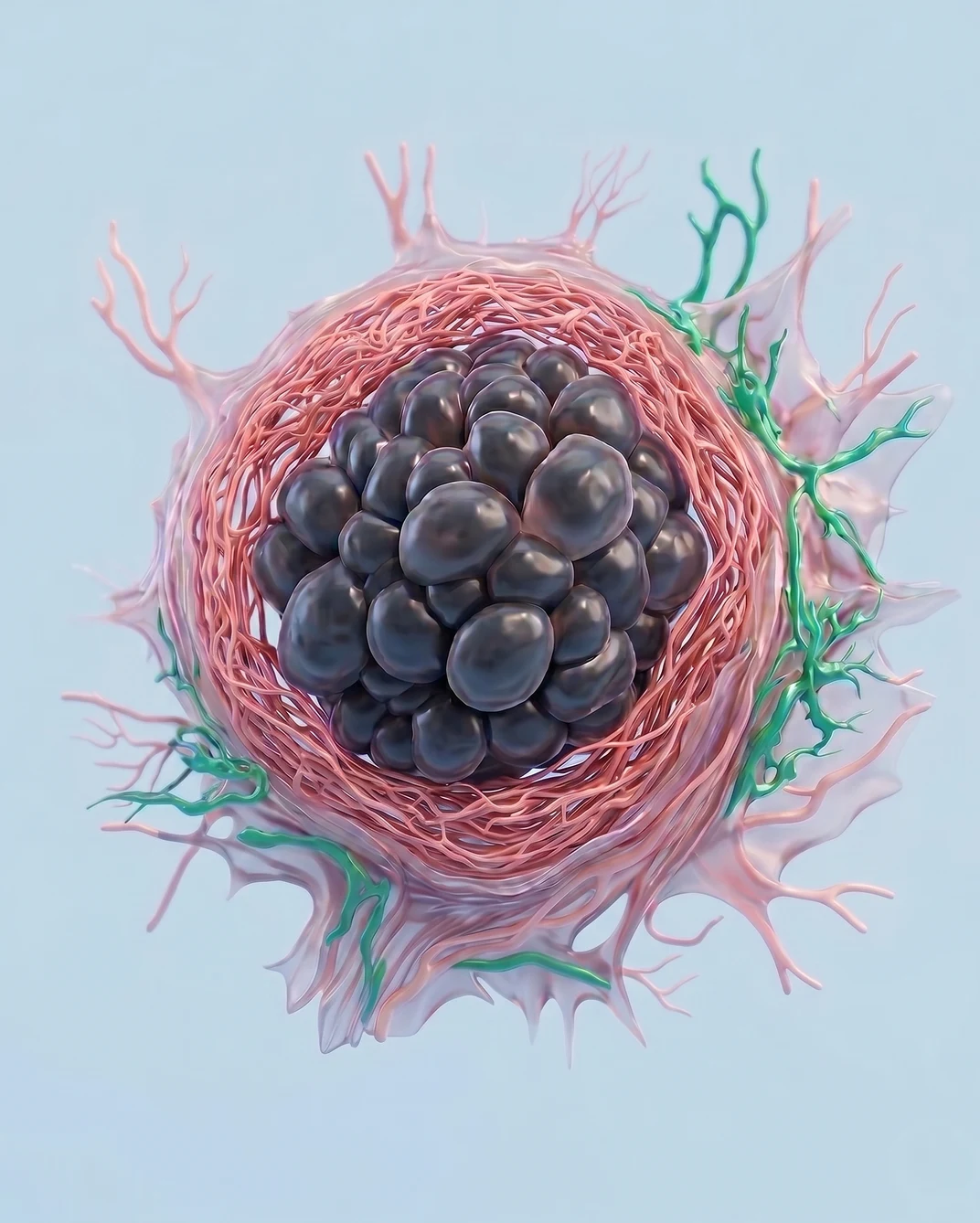
Pancreatic cancer cells
Where Precision Intratumoral Therapy Can Go Next
The implantable iontophoretic delivery system is designed to serve as a broader platform for localized cancer therapy. Its modular architecture and active transport mechanism create opportunities to expand beyond pancreatic cancer, supporting treatment of additional solid tumor types, other chemotherapy payloads, and combination strategies aimed at improving local therapeutic effect.

This same iontophoretic delivery platform is also being applied in oral cavity cancer, where tumor accessibility creates a different but equally compelling opportunity for localized therapy.