Breast cancer
Our NDES platform is designed to sustain immunotherapy directly inside the tumor
Built to maintain immunotherapy where it matters
The Nanofluidic Drug-Eluting Seed (NDES) is a first-in-class intratumoral implant designed to provide sustained, controlled release of immunotherapies directly within breast cancer tumor tissue.
Roughly the size of a grain of rice, the device contains a precision-fabricated silicon nanofluidic membrane that enables constant, diffusion-driven drug release.
Because NDES is drug-agnostic and combination-ready, it may support multiple immunotherapy classes within a single localized platform.
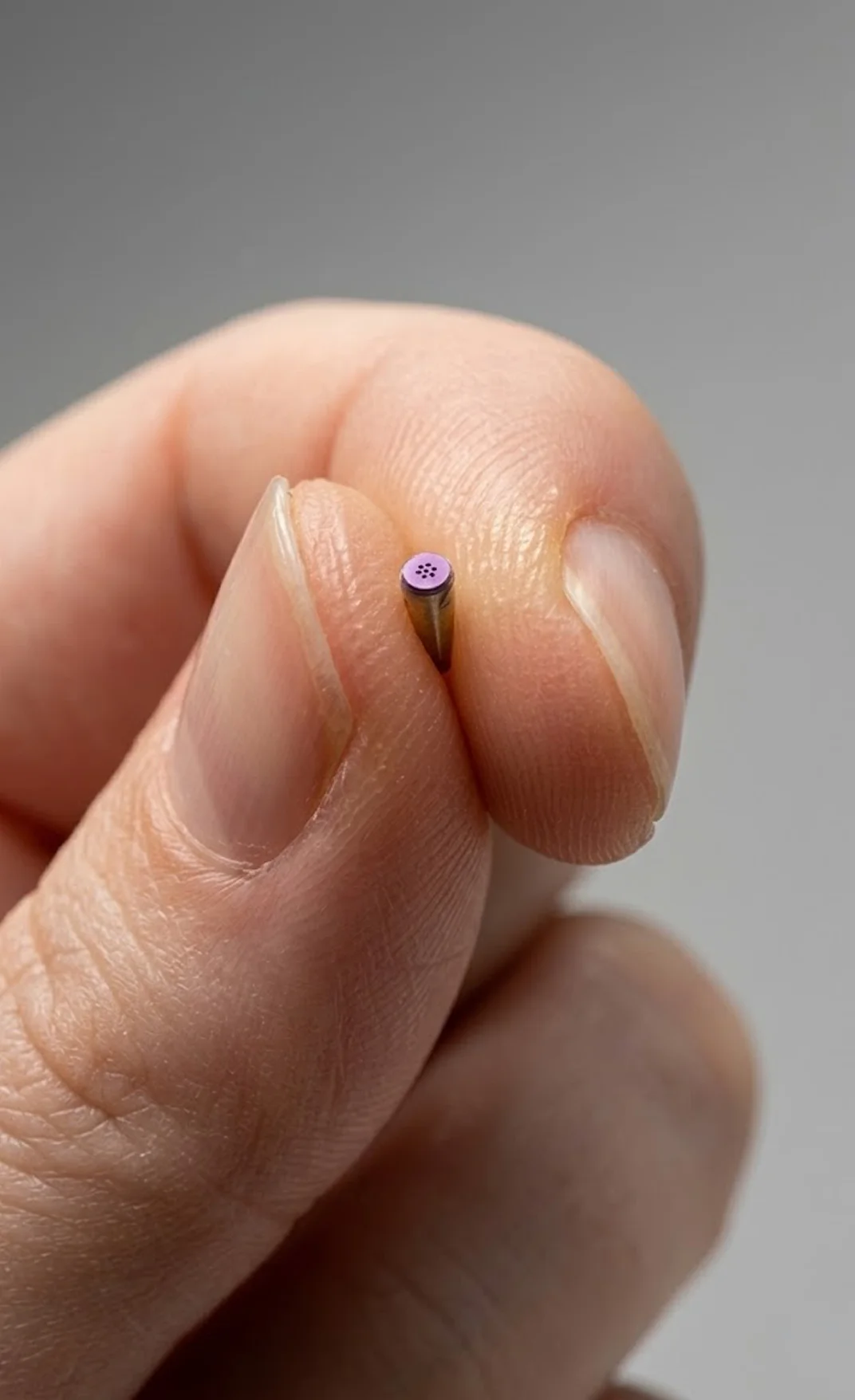
Nanofluidic Drug-Eluting Seed
Promising preclinical results

Together, these findings suggest that localized nanofluidic delivery may improve the efficiency of immunotherapy by keeping more drug where it is needed most — inside the tumor — and less where it is not.
A breast cancer that demands more precision
Triple-negative breast cancer accounts for approximately 15% of all breast cancers and is associated with aggressive disease biology, higher rates of recurrence, and poor outcomes in metastatic disease.


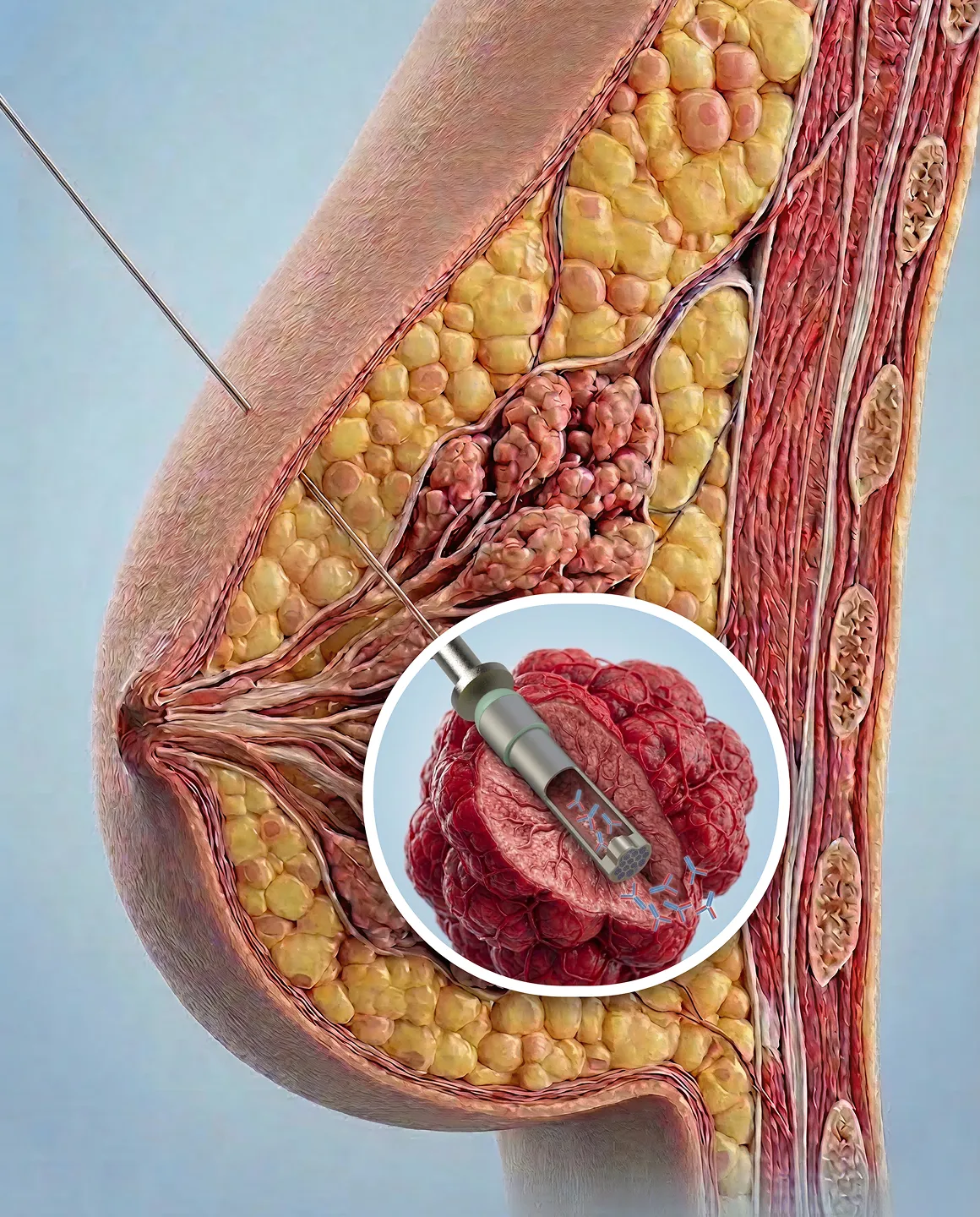
Why systemic immunotherapy falls short
Modern immunotherapies can activate powerful anti-tumor responses, but their impact in solid tumors is often limited by how they are delivered.
High systemic doses may be needed to achieve meaningful intratumoral exposure. At the same time, bolus dosing can create fluctuating drug levels within the tumor microenvironment, while immune-related systemic toxicities may restrict treatment intensity.
In TNBC, delivering immunotherapy directly into the tumor microenvironment and maintaining it there over time may improve local therapeutic exposure while reducing the need for high systemic doses.
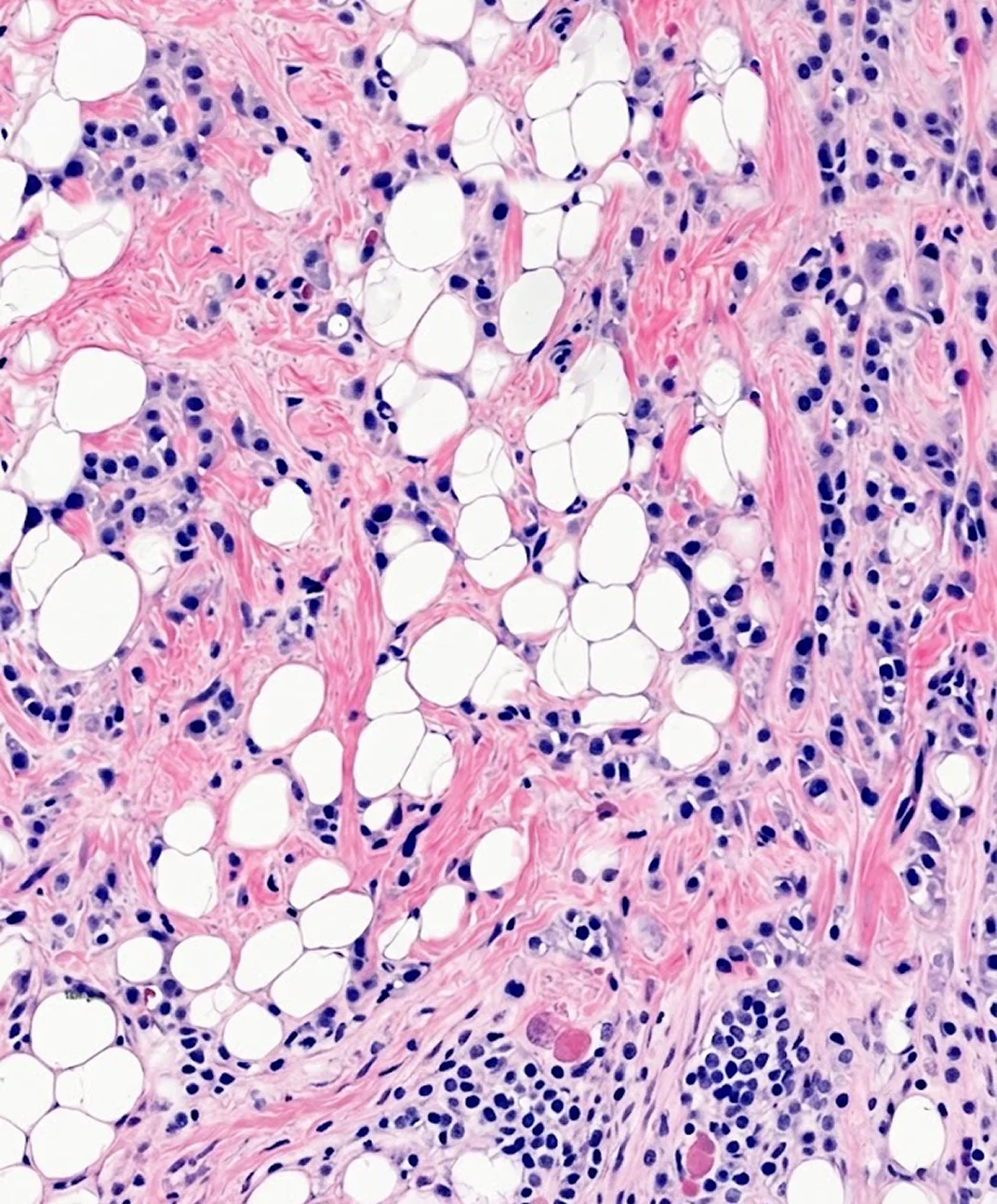
A New Category in Local Immunotherapy
By enabling sustained immunotherapy directly within the tumor microenvironment, the NDES platform is designed to transform systemic exposure into localized, precision-controlled treatment.
Because NDES is a drug-agnostic, combination-ready platform, it has potential utility across a broad range of solid tumors and immunotherapy strategies. By standardizing local immunotherapy delivery, NDES may help establish a new category in oncology: device-enabled immune therapy.

Let’s explore what sustained intratumoral immunotherapy could look like for your program.